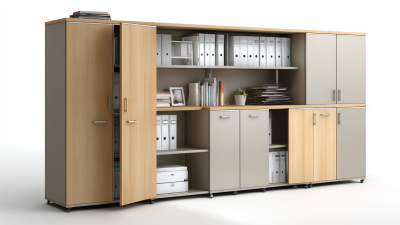
In today’s fast-moving business world, having an organized and efficient workspace isn’t just nice to have — it’s pretty much essential if you want to stay productive and look professional. One thing that often gets overlooked but really matters is the Office Cabinet. It’s not just about storing your papers, supplies, and personal stuff — it also helps give your office that polished vibe. As companies look for ways to make their workspaces better, picking out the right cabinet becomes a pretty big deal. It can totally influence how functional your space is AND how good it looks.
Choosing the perfect office cabinet isn’t just a quick pick — you've got to think about things like size, what it’s made of, style, and how much it can hold. With so many options out there, it can honestly feel a bit overwhelming. Whether you’re into a sleek, modern look that matches a contemporary office or something more traditional for a classic vibe, understanding the key features and benefits will help you make smarter choices.
In this guide, I’ll walk you through what to look out for when picking the right cabinet for your workspace. The goal? To find a solution that not only fits your storage needs but also boosts the overall function and style of your office. From making good use of space to keeping things organized, the right cabinet — believe it or not — can be a real game changer for both how you work and how your office looks.
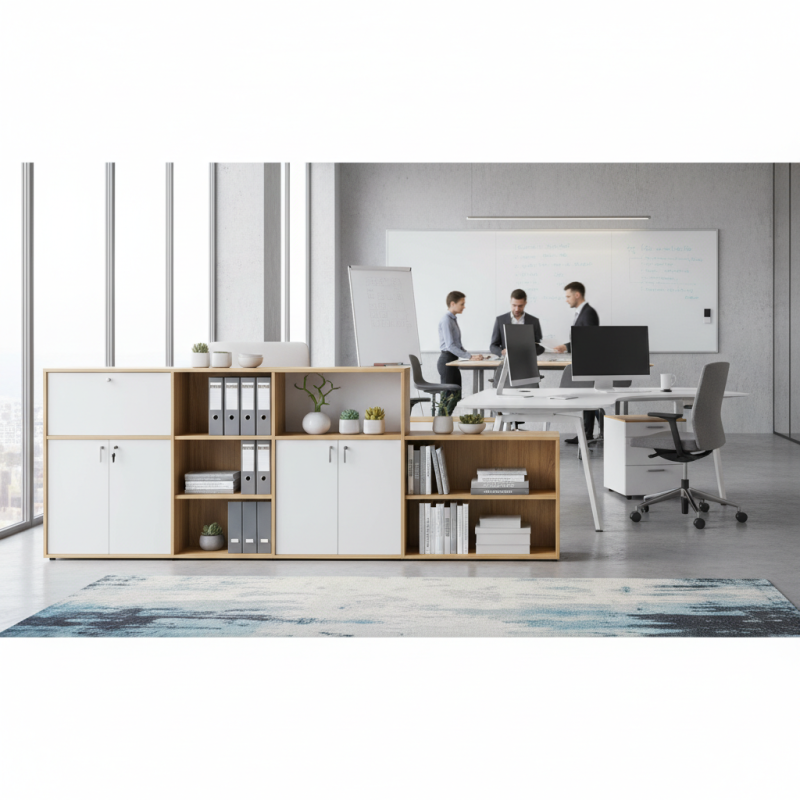
When selecting the ideal office cabinet for your workspace, it is crucial to first understand your office space needs. Take a close look at the size of your office and the specific functions you require from the cabinet. Are you primarily storing files, office supplies, or both? Identifying your primary usage will help narrow down your options effectively.
**Tips:** Start by measuring your available space to ensure that the cabinet you choose will fit seamlessly without overcrowding the area. Consider opting for vertical storage solutions if space is limited, as they can provide ample storage while taking up less floor space.
Additionally, think about the layout of your office and how often you need to access the contents of your cabinet. If quick access is vital, a cabinet with open shelving or glass doors might be more appropriate. Alternatively, for sensitive documents, a cabinet with locks would ensure security while maintaining an organized environment.
**Tips:** Evaluate the overall aesthetic of your workspace as well. Choose a cabinet that complements your existing decor while serving a functional purpose. A well-chosen cabinet can enhance the visual appeal of your office while fulfilling your storage needs efficiently.
| Cabinet Type | Material | Height (inches) | Width (inches) | Depth (inches) | Storage Capacity (kg) | Price ($) |
|---|---|---|---|---|---|---|
| Filing Cabinet | Steel | 60 | 36 | 18 | 100 | 350 |
| Storage Cabinet | Wood | 72 | 42 | 20 | 150 | 450 |
| Bookcase | Particle Board | 48 | 30 | 12 | 50 | 200 |
| Mobile Cabinet | Metal | 30 | 20 | 16 | 75 | 150 |
| Corner Cabinet | Glass/Wood | 60 | 36 | 32 | 80 | 400 |
When it comes to selecting the right office cabinet for your workspace, understanding the various types and their functions is crucial. File cabinets are perhaps the most common option, designed specifically for organizing documents and files. They typically come in vertical or lateral designs, offering varying storage capacities. Their main function is to keep important papers secure and easily accessible, helping maintain an organized environment.
Another popular type is the storage cabinet, which provides a broader range of uses. These cabinets can store office supplies, equipment, and even personal belongings, ensuring everything has its place. They often feature adjustable shelves and locking mechanisms, making them versatile for different office needs while also promoting security and tidiness.
Tips: When choosing office cabinets, consider the layout of your workspace; opt for cabinets that complement your existing furniture. Additionally, evaluate the amount of storage space you need versus how much room you have available. A well-organized cabinet can save you time and enhance productivity, so prioritize functionality over aesthetics without sacrificing style.
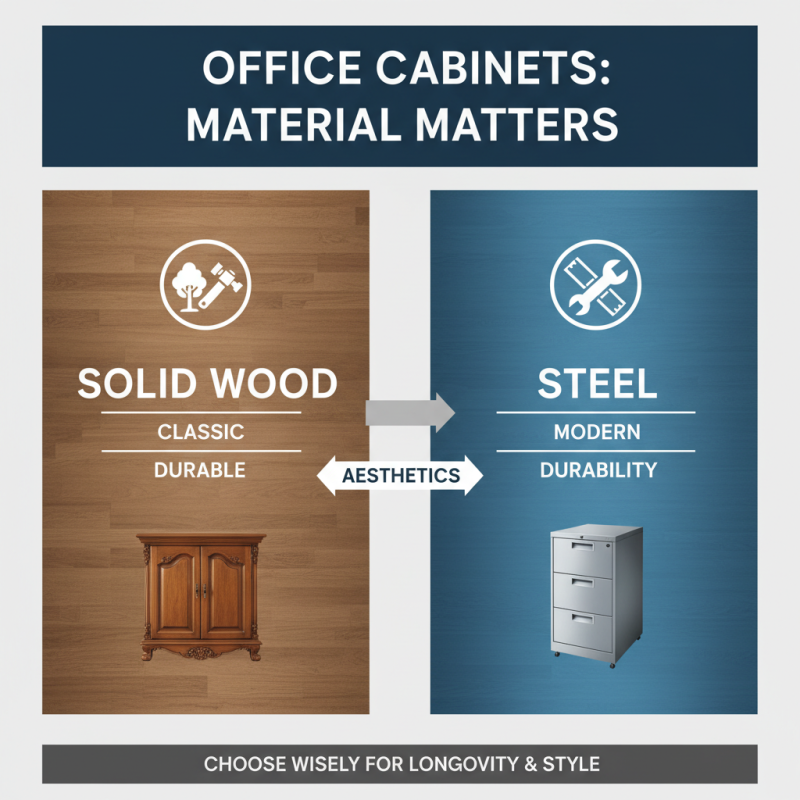
When selecting the perfect office cabinet for your workspace, material choice plays a crucial role in ensuring both durability and aesthetics. The materials used in your cabinet can significantly impact its functionality, visual appeal, and longevity. For a classic office environment, solid wood cabinetry provides a timeless look and is known for its robustness. Not only does it add warmth and elegance to your workspace, but it can also withstand the wear and tear of daily use.
On the other hand, metal cabinets offer a modern, sleek alternative that is ideal for a contemporary office. They are incredibly durable and often come with finishes that resist scratches and rust, ensuring your cabinet maintains its appearance over time. Additionally, laminated wood surfaces can provide a balance of aesthetic appeal and practicality, offering a variety of colors and styles at a more affordable price point.
**Tips:** When choosing materials, consider the overall style of your office. If you have a minimalist design, opt for sleek metal or laminate. For a more traditional setting, go for wood. Always prioritize functionality and remember that some materials require more maintenance than others, so factor in your commitment to upkeep when making your decision. Lastly, ensure that whatever material you choose is suited for the workspace's purpose, as this will enhance not only the cabinet's performance but also its longevity.
When selecting the ideal office cabinet for your workspace, size and space considerations are paramount. The dimensions of your cabinet should complement the layout of your office, ensuring that it fits seamlessly into the available space without overcrowding the area. It's crucial to measure the intended spot for the cabinet, taking into account both height and width. Consider how the cabinet will interact with other furniture and ensure there is enough room for opening doors and drawers without obstruction.
In addition to physical dimensions, the volume of items you plan to store needs to be assessed. Whether you require space for files, office supplies, or personal items, choosing a cabinet with compartments that align with your storage needs is essential. Opt for designs that optimize vertical space if your floor area is limited, allowing for efficient organization without sacrificing accessibility. Ultimately, a thoughtful approach to size and space will contribute to a more functional and aesthetically pleasing workspace.
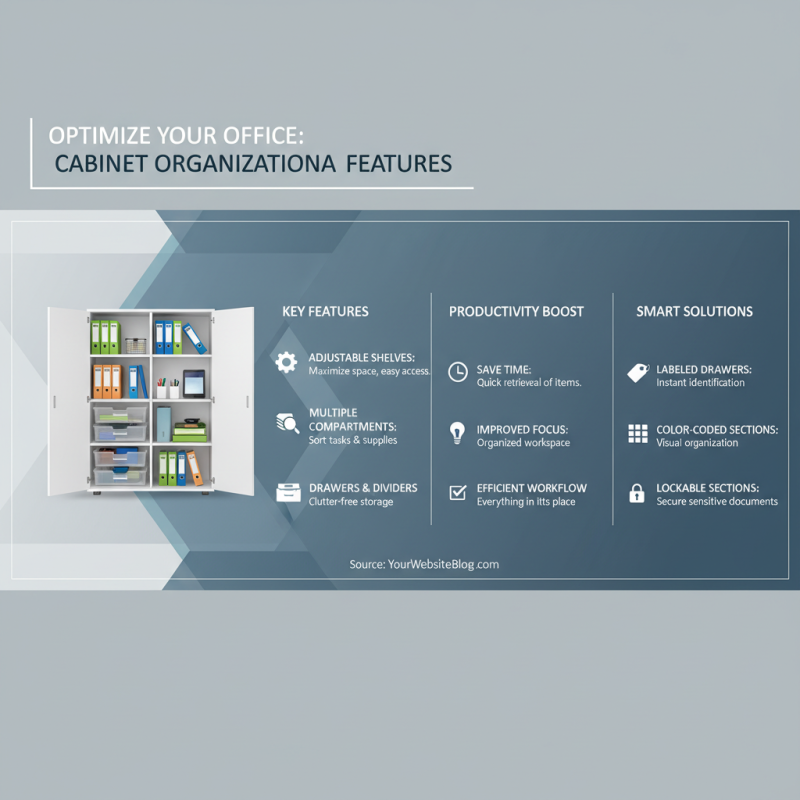
When it comes to selecting the perfect office cabinet for your workspace, the organizational features play a crucial role in enhancing productivity. A well-designed cabinet should offer various compartments, drawers, and shelving options that cater to the specific needs of your tasks. For instance, incorporating adjustable shelves can maximize storage space while allowing for easy access to frequently used items. Additionally, a cabinet with labeLED drawers or color-coded sections can simplify the retrieval process, reducing the time spent searching for important documents or supplies.
Moreover, consider the overall layout and flow of your workspace when choosing an office cabinet. Cabinets that are strategically positioned can minimize clutter and create a more efficient workflow. For example, placing a cabinet close to your Work Desk can help you maintain a tidy environment, while also ensuring that essential materials are within arm's reach. Implementing features such as lockable cabinets can also aid in the secure storage of sensitive information, further promoting a productive atmosphere. By prioritizing these organizational elements, you can transform your office cabinet into a powerful tool for productivity.
When choosing the perfect office cabinet for your workspace, it’s essential to consider design and style choices that will create a cohesive look. Your cabinet should complement the overall aesthetic of your office, whether it’s modern, traditional, or eclectic. Selecting materials that align with your existing furniture can enhance the visual appeal and ensure that the cabinet blends seamlessly into your workspace. For example, if your office features a minimalist design, opt for sleek cabinets with clean lines and a neutral color palette.
Tips: Always measure your space before making a purchase. This allows you to choose a cabinet that fits perfectly within your designated area without overwhelming it. Additionally, consider the functionality of the cabinet alongside its design. Select options that not only look good but also serve your organizational needs effectively.
Color coordination is vital in achieving a harmonious workspace. Using a consistent color scheme helps to unify various elements in the office. If your furniture is predominantly dark, a cabinet in a matching finish can create a streamlined look. Alternatively, lighter cabinets can provide a refreshing contrast that brightens the room without clashing with existing elements. Remember, the key is to create an environment that fosters productivity while reflecting your personal style.
When considering an office cabinet investment, budgeting is a critical step that can significantly influence your workspace's efficiency and aesthetics. Start by determining the overall budget you can allocate for the new cabinet. Consider not only the initial purchase price but also any delivery fees, assembly costs, and potential ongoing maintenance expenses.
A well-planned budget allows you to explore various materials and styles, ensuring you strike the right balance between functionality and cost-effectiveness.
Once you establish a budget, prioritize the features that matter most to your workspace. For example, evaluate the amount of storage you require, whether you need additional security features like locks, and the level of durability suited for your work environment.
This targeted approach enables you to make informed decisions, allowing you to select a cabinet that meets your organizational needs without overspending. By focusing on essential features, you can avoid unnecessary costs and invest in a cabinet that will serve your office for years to come.
: Start by measuring your available space and consider how the cabinet will fit into your layout. Identify the primary usage, whether for storing files, office supplies, or both, to help narrow down your options.
If space is limited, consider vertical storage solutions that provide ample storage without taking up much floor area. This allows for efficient use of available space.
If quick access to items is important, an open shelving or glass door cabinet may be suitable. For sensitive documents, choose a cabinet with locks for added security.
Select a cabinet that complements the overall aesthetic of your office. Consider the style of your existing furniture and choose materials and colors that enhance visual appeal while maintaining functionality.
Using a consistent color scheme helps unify various elements in the office. Matching the cabinet finish with existing furniture can create a streamlined look, or using a lighter cabinet can provide a refreshing contrast.
When budgeting, consider the purchase price, delivery fees, assembly costs, and potential maintenance expenses. A well-planned budget helps you explore materials and styles that balance functionality and cost-effectiveness.
By establishing your budget and prioritizing key features such as storage capacity, security options, and durability, you can make informed decisions that align your office needs with your financial plan.
A well-chosen office cabinet enhances workspace efficiency and aesthetics, contributing to an organized environment that fosters productivity and reflects your personal style.
Choosing the perfect office cabinet involves a thorough understanding of your workspace needs and the various types of cabinets available. It’s essential to consider the functions that different office cabinets serve, from file storage to organization tools. Material selection plays a crucial role in ensuring durability and aesthetic appeal, while the size and space of your office dictate the dimensions and style of the cabinet you choose.
Additionally, incorporating organizational features can significantly enhance productivity, making it easier to access and manage office supplies. Pay attention to design and style choices to ensure a cohesive look within your workspace. Finally, budgeting for your office cabinet investment is important, as it balances quality and functionality to meet your needs effectively. By carefully considering these aspects, you can select an office cabinet that not only fits your practical requirements but also complements your office environment.